
How do you know a water heater problem is urgent? Usually it is one of four things: active flooding, a discharging relief valve, dangerously hot water, or a gas odor. Flooding is the one that catches people off guard. A failed tank is still connected to the cold supply, so it keeps refilling and leaking long after its own contents are gone, and the damage reaches finished floors and lower rooms fast. A T&P valve that keeps releasing water or steam is the heater telling you a safety limit has been exceeded. Scalding water points to a runaway thermostat or gas control. A gas smell is its own category and comes with its own first steps, covered below. Across Sanford, FL, we move each of these to the front of the line.
Safety comes before the phone call to us. If you smell gas, get everyone outside immediately, do not flip light switches or unplug anything on the way out, and call your gas utility or 911 once you are clear of the house. Once gas is ruled out, close the cold-water shutoff on the line feeding the heater; if it is stuck or out of reach, shut the main water valve for the house. On a gas unit, turn the control knob to OFF. On an electric unit, switch off its breaker, and never touch the panel while standing in water. If the relief valve is discharging, leave it open and never plug its pipe, because that valve is the only thing keeping an overheated tank from failing violently. Then call (689) 362-7035 and our team will pick it up from there.
Our part of the job begins the moment you call (689) 362-7035. Our team walks you through isolating the heater, confirms the leak has actually stopped, and gives you a realistic window for a technician rather than a number that sounds good. On site, we make everything safe first: water, gas or power, and venting. Then we diagnose. A failed relief valve, a leaking drain valve, a corroded supply fitting, or a burned-out element can typically be swapped before we leave because those parts ride on the truck. If the tank has rusted through, no repair will hold, and we tell you so plainly before walking through replacement choices. Homeowners across Sanford call us for exactly these moments.
Most of our service calls are for Water Heater Repair in Sanford. That's the place to start for most homes.
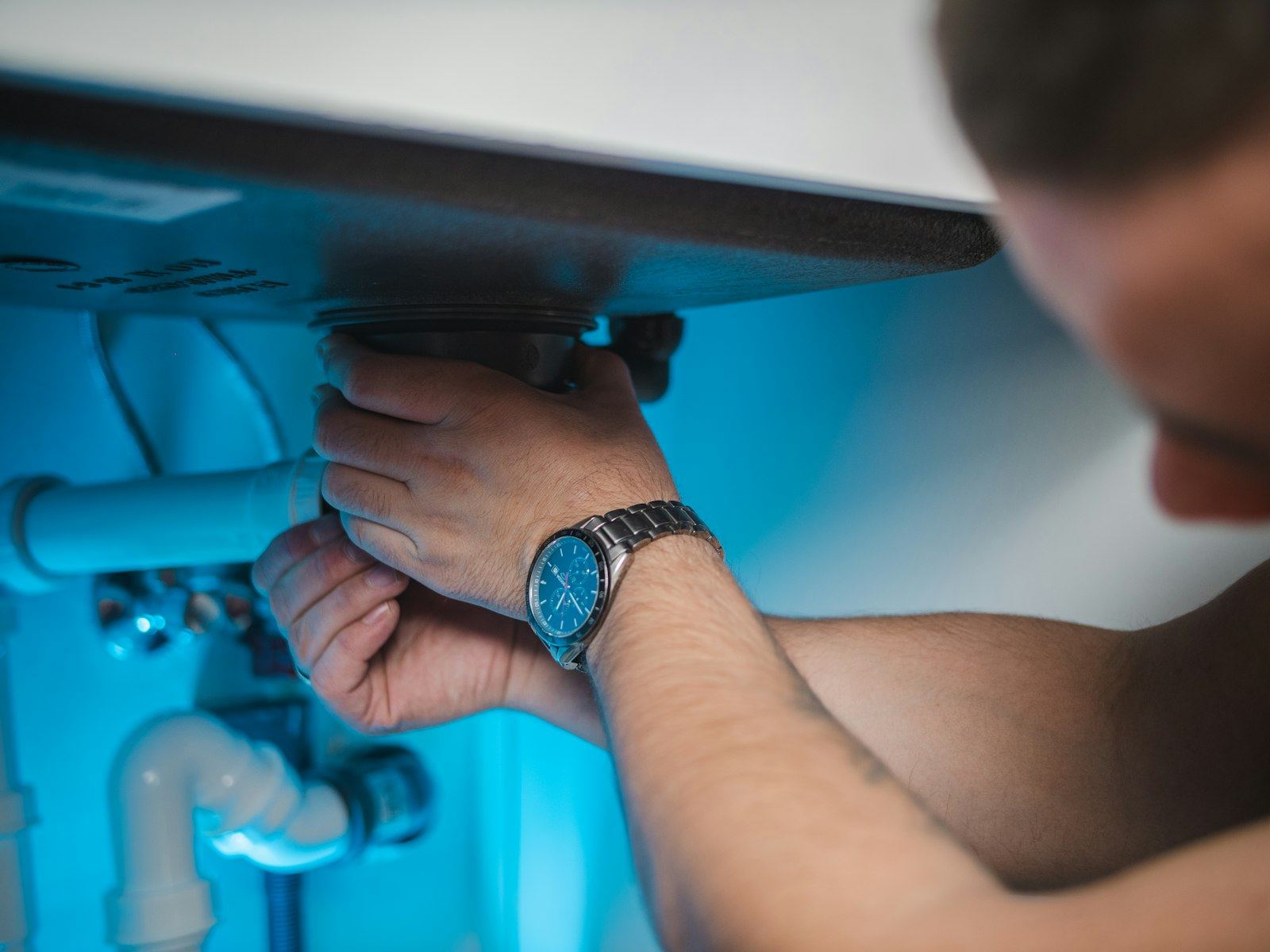
When to Call for Emergency Water Heater Repair
Water heaters usually give plenty of warning before they fail, as long as you know what to look and listen for. These are the red flags our technicians see most often before a breakdown:
- Standing water around the water heater that returns after you wipe it up
- No hot water at all, even after waiting for the tank to recover
- The relief valve on the side of the tank dripping, hissing, or discharging
- Violent rumbling or banging from the heater as it runs
- A rotten-egg smell near a gas water heater (leave first, and call the gas utility)
- An electric water heater that keeps tripping its circuit breaker
- Scorch marks, soot, or flames rolling out near the burner access on a gas unit
- Hot water far hotter than normal, a sign of a runaway thermostat or gas control
Early Action Saves Money
Most water heater failures start small: a popping sound from sediment, a damp spot under the drain valve, or a shower that goes lukewarm a few minutes sooner each week. At the first hint of a problem, reach out to Sanford Water Heater at (689) 362-7035 and we'll take a look.
Common Questions We Hear
What a Trained Technician Brings to the Job
Emergency calls bring together electricity, gas, heat, pressure, and water, which is exactly the mix that makes do-it-yourself work risky. An electric heater sits on a 240-volt circuit that should never be handled while standing in water. A gas heater has fuel piping, a burner, and a vent that can spill combustion gases if something is out of place. The tank itself holds scalding water under pressure, and a discharging relief valve is signaling an unsafe condition that must be solved, not silenced. Capping that valve, relighting next to a gas odor, or forcing a rusted connection are all common and dangerous mistakes.
A trained technician brings the right order of operations and a truck full of the likely parts. Our team confirms the heater is isolated, tests for gas leaks with a detector and soap solution instead of relying on a sniff test, checks household water pressure and thermal expansion when a relief valve has been discharging, and inspects the vent for proper draft before a gas unit is restarted. Equally important, we tell you honestly when a heater can be repaired and when it cannot. A leaking seam or rusted-through bottom cannot be fixed, while a failed valve, fitting, or element usually can, and the difference is often a modest repair bill versus the cost of a whole new unit. You get that answer before any work begins.
How We Handle Emergency Water Heater Repair
Every visit follows a step-by-step method built around testing first and replacing parts only when the readings call for it. Here's a look at each step our team takes:
Make It Safe by Phone
We start on the phone: confirm there is no gas odor, help you close the cold supply and turn off gas or power, and talk through what to move out of the water's path.
Secure the Area
A technician heads out as quickly as the schedule allows, with an honest arrival window. On site we verify water, fuel, power, and venting are safe before any diagnosis begins.
Repair or Honest Replacement
The source gets pinpointed before any part is replaced. Relief valves, drain valves, connectors, thermocouples, and elements are stocked, so most fixes happen the same visit.
Restart & Verification
We refill the tank, purge air from the lines, restart the heater, check every joint for leaks, confirm the relief valve seats, and set the temperature to a safe 120F.
Tips to Keep Your Water Heater Healthy
Routine maintenance is almost always cheaper and easier than an early replacement. Follow these tips from our technicians:
- Find and label the cold-water shutoff at the heater and the main house valve now, before you ever need them
- Set the temperature around 120F, which protects against burns and slows tank wear
- Keep boxes, paint, gasoline, and cleaning products well away from a gas water heater
- Annual flushing keeps sediment from causing the rumbling and hot spots that lead to leaks
- A drain pan with a proper drain line under the tank can turn a flood into a manageable puddle
- Test the T&P valve annually; a valve that sticks or weeps afterward should be replaced
- Add a battery leak alarm or an automatic shutoff valve that closes the supply when it senses water
Doing It Yourself vs. Hiring a Technician
The line between a safe DIY check and a risky repair is usually the moment you need to open a gas fitting, a vent connection, or an electrical cover. Here's how the two approaches stack up:
| Consideration | DIY Attempt | Professional Service |
|---|---|---|
| Gas Odor | Risk of ignition while investigating | Leak detector and soap test after the area is cleared |
| Water Control | Unsure which valve to close | Supply isolated fast, stuck valves handled safely |
| Relief Valve | Valve capped or plugged, a dangerous move | Pressure and expansion checked, valve replaced if worn |
| Power & Water | Live wiring close to a flooded area | Breaker isolated and wiring checked first |
| Finding the Cause | Guessing between valve, fitting, and tank | Exact source traced before parts are swapped |
| Result | Fix that may not hold overnight | Lasting repair or honest replacement advice |
Book a Visit Today
Cold showers and damp floors don't get better on their own. Sanford Water Heater can have a technician headed your way soon.
Call (689) 362-7035 TodayAreas We Serve for Emergency Water Heater Repair
Our service area reaches well past the city limits. Choose your community for local details.